




The Atlassian license diet: how to trim costs without losing capability
We’ve all been there: your Jira (or Confluence) instance hits 252 users. Everything seems fine until you realize you’re no longer on the 250-user plan. You’ve crossed the threshold into the 500-user tier, and your Atlassian bill has effectively doubled overnight. Lately, with pricing changes becoming more noticeable and impactful (as we explored in our previous article on peak billing ), these situations are no longer edge cases - they’re becoming the norm.

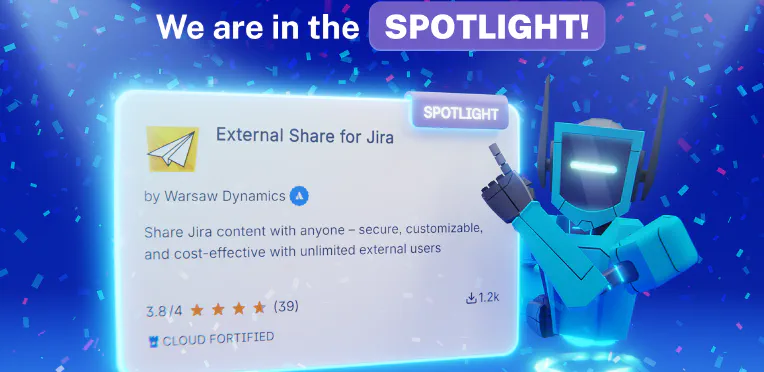
External Share for Jira Earns “Apps in the Spotlight” Badge!
We’ve got some nice news to share - External Share for Jira has been featured in the latest “Apps in the Spotlight”. This program highlights apps that have shown steady growth and strong adoption over the past quarter. It’s a small badge, but for us it means a lot. It tells us we’re heading in the right direction and building something that people actually find useful. Why this matters to us We’ve been working on External Share for Jira for quite a while now, focusing on a simple goal: making it easier to share Jira content with people outside your organization, without creating extra friction or losing control over what’s shared.
“It’s great to have good partners that align in values” - Sourcesense Customer Success Story
For Atlassian Solution Partners like Sourcesense , sharing project data securely with multiple customers is not just a “nice to have”, it’s a daily operational necessity. In this customer success story, Fiona explains how External Share helps them collaborate with clients while keeping security, compliance, and simplicity in check. Watch the whole interview: About Sourcesense Sourcesense International is a UK-based Atlassian Platinum Solution Partner, supporting organizations across Europe with everything from system audits and configuration to migrations, training, consultancy, and long-term support.

Atlassian's Data Center to Cloud: what the end of an era means for your business and how to control the costs
A while ago, Atlassian officially announced the gradual shutdown of its Data Center (DC) offerings, confirming what many enterprises had already suspected: the future of Atlassian is Cloud-only. For organizations still running Confluence Data Center, this announcement raises important questions. What does this change really mean? How much time do you have? And most importantly, how can you migrate without exploding your license costs or compromising security? Let’s break it down.

Guest Accounts for Jira: Why Wait When You Can Collaborate Securely Today?
There’s been a lot of buzz lately around the possibility of Guest Accounts for Jira Cloud - a new way to invite external users into your instance without granting full licenses. It sounds great on paper. After all, Confluence already offers a Guest Account feature, and it’s natural to expect Jira to follow. But here’s the truth: while Atlassian might eventually roll out some form of guest access, you don’t have to wait to collaborate securely with external stakeholders.

When “Peak Billing” Comes Knocking: How to Manage Atlassian’s New Pricing with Smarter Sharing
If you are not living under a stone, you must have heard about Atlassian’s new pricing model. This October, they introduced the “maximum quantity billing” (MQB) - a major shift in how customers are billed. This change is intended to provide more predictable costs and simpler tracking for budgeting and planning. But, at the same time, customers will need to manage user licenses carefully to optimize costs, especially if user counts fluctuate frequently within a month.

No Jira Account? No Problem. Here’s How to Vote on Work Items via External Share for Jira
Moving Beyond Jira’s Native Upvote Feature Voting feature helps you quickly gather feedback and prioritize work. Jira’s built-in voting lets internal users signal which work items (issues) are important by selecting the Vote button on a Jira work item. The total number of upvotes can then be seen by anyone with access to that work item. It’s simple, but limited. There’s no downvote option, and external users can’t participate.

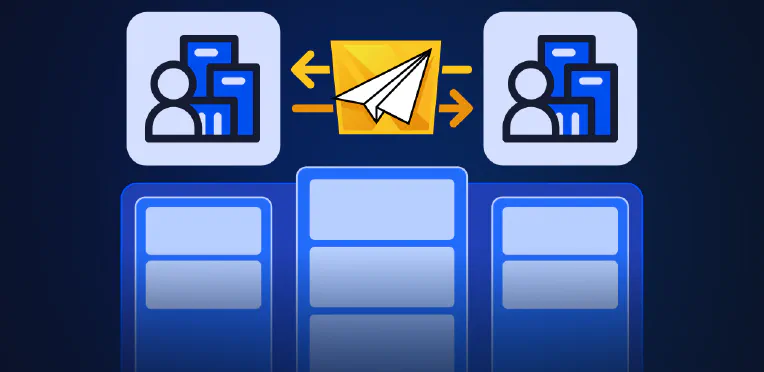
Cross-Company Collaboration with External Share for Jira
Why Jira Boards? Jira boards are workspaces that help teams manage work, track progress, and collaborate on projects efficiently. They provide a clear overview of Jira issues, statuses, and workflows, making it easier to stay organized and productive. For example, teams with larger projects or multiple workstreams, teams that practice scrum are ideal for using Jira boards. Warsaw Dynamics’ External Share for Jira lets you securely share Jira boards with clients, contractors, and external teams, even if they don’t have a Jira license.
Integrating Apps for Smarter Workflows: External Share for Jira Meets Smart Fields
In today’s fast-paced business environment, apps for Jira don’t just help teams work smarter - they open the door to even greater potential when integrated. By connecting tools, you empower your team with seamless workflows, enhanced insights, and powerful automation. When we met the Decadis team, we saw an incredible opportunity to combine the strengths of our apps - External Share for Jira and Smart Fields (an app created by Decadis as a complement to their Jira Workflow Toolbox app) - to create a dynamic, user-friendly solution.

Managing bug reporting with External Share for Jira
Efficient bug management is vital for delivering high-quality software, especially when external stakeholders like beta testers or clients are involved. The External Share for Jira app simplifies this process by enabling seamless collaboration through shared Jira boards. This article explores how you can use the app to empower external users to report and track bugs directly, saving time and streamlining communication. Streamlining Bug Reporting: How It Works Managing bug reports becomes significantly easier with a Jira board dedicated to external collaboration.